
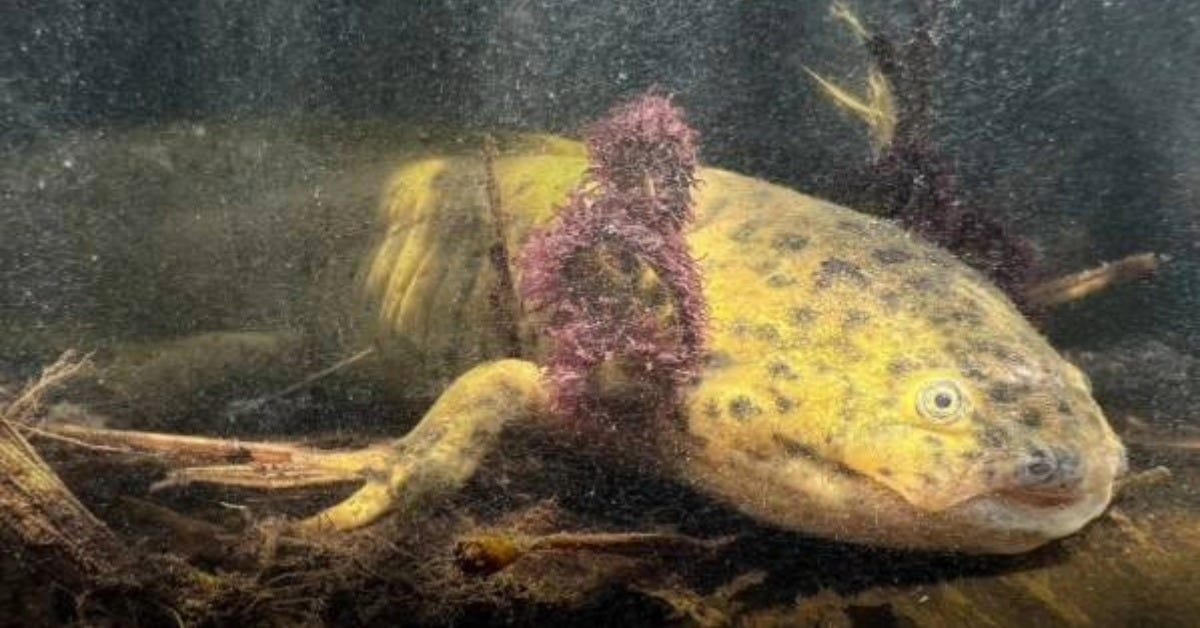
A small discovery in a protected wetland in Mexico City is drawing attention from conservation teams. Five wild Altiplano axolotls were found in Lago Tláhuac-Xico, an area recently declared protected after years of pressure on central Mexico’s wetlands. The finding does not mean the species is out of danger, but it offers researchers a rare look at where this native amphibian may still be surviving in the wild.
Five Wild Axolotls Found in Mexico City Wetland
Five wild Altiplano axolotls have been found in the Lago Tláhuac-Xico protected natural area, giving researchers new information about a native Mexican species that has lost much of its habitat.
The discovery was confirmed during biological monitoring work in the wetland, which sits between the Tláhuac borough of Mexico City and Valle de Chalco in the State of Mexico. The species, known scientifically as Ambystoma velasci, is listed in Mexico as subject to special protection.
Researchers and conservation teams found the five animals living freely in one of the area’s bodies of water. The finding is important because wild axolotl populations have declined across parts of Mexico due to habitat loss, water pollution, and invasive species.
A rare sign inside a protected wetland
The Lago Tláhuac-Xico area was declared a federally protected natural area in January 2024. It covers more than 3,545 hectares and is considered one of the remaining wetland systems in the Valley of Mexico.
For conservation teams, the discovery adds another reason to keep monitoring the area. Wetlands like this one can serve as feeding, shelter, and breeding zones for native species. They also help preserve aquatic vegetation tied to the older lake systems of central Mexico.
The finding does not mean the Altiplano axolotl has recovered. It does show that at least some individuals are still present in the wild inside the protected zone. That gives researchers a clearer place to focus future surveys and conservation work.
Not the same as the Xochimilco axolotl
Many readers know the axolotl from Xochimilco, the famous pink-faced amphibian often seen in museums, classrooms, and conservation campaigns. The Altiplano axolotl is a different species.
Ambystoma velasci is found in colder, more temperate bodies of water in higher elevations of central Mexico. Like other axolotls, it belongs to a group of salamanders closely tied to Mexico’s lakes, streams, and wetlands.
That connection to water also makes the species vulnerable. When wetlands are drained, polluted, or altered, axolotls lose the conditions they need to survive. Invasive fish can also eat eggs and young animals, adding pressure to already reduced populations.
What researchers will watch next
The next step is continued monitoring. Conservation teams plan to keep searching other bodies of water within the protected area to see whether more individuals or small populations can be documented.
That work matters because conservation decisions depend on field data. Finding five animals does not answer every question, but it helps researchers understand where the species may still be holding on.
For residents and visitors in Mexico City, the discovery is also a reminder that the capital still has living wetland ecosystems. They are not just scenic or historic spaces. They are habitats for native species that depend on clean water and long-term protection.
The Altiplano axolotl remains under pressure. This finding provides conservation teams with a useful sign, but the species’ future will depend on whether its habitat can be protected from further damage.