
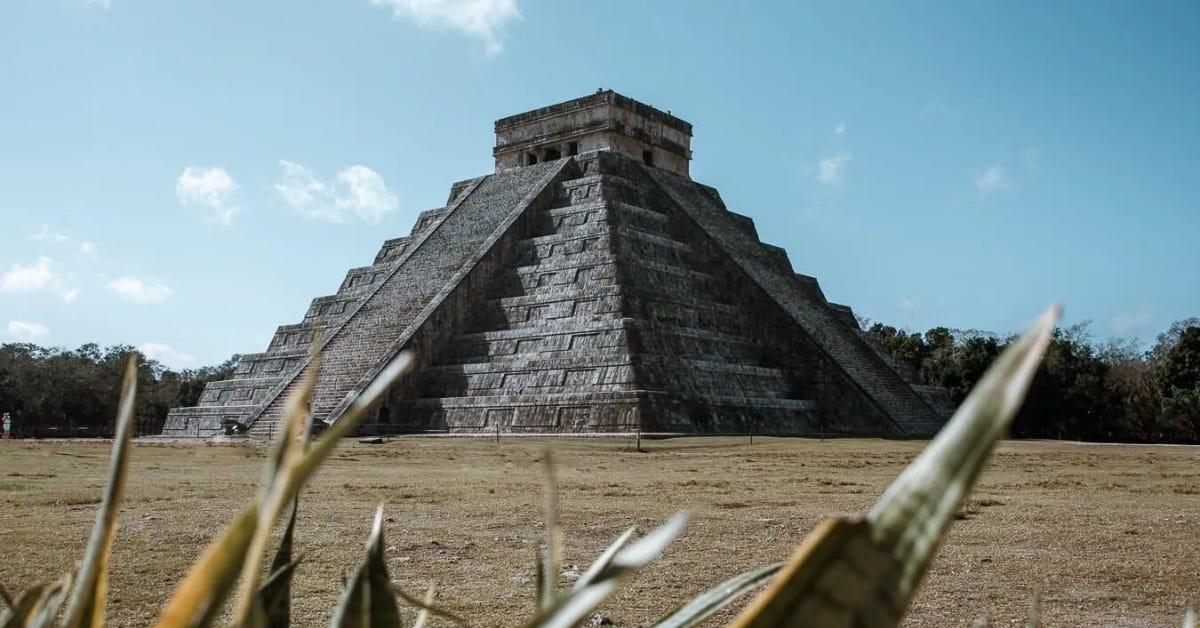
Chichén Itzá’s closure is being seen by many travelers as another headache from protests. The sharper story sits at the gate. INAH wants tourism funneled through the new CATVI, a Maya Train-linked visitor center. Residents of Pisté say the move encroaches on the workspaces, routines, and territory that have long tied their community to the archaeological zone. The fight is now less about one closed entrance and more about who gets to stand near the doorway when tourism money arrives.
Chichen Itza closed after INAH shuts visitor access
Chichen Itza closed to tourism after INAH ordered a temporary shutdown tied to a dispute over how visitors enter the archaeological zone. The closure has now stretched across a week, turning a local access fight into a national tourism story.
Residents of Pisté, the Mayan community beside the ruins in Tinum, have not claimed the decision to close the site. Their demand runs in the other direction. They want federal authorities to keep the old tourist center open while talks continue over the new CATVI, the Visitor Assistance Center connected to the Maya Train project.
This sounds like a gate dispute until the money enters the frame. Then it becomes a question of territory, work, and who gets recognized at a site built on Maya history but sold through modern tourism.
What triggered the closure
INAH and Yucatán officials announced the temporary closure on May 19, saying the measure involved the CATVI and the old tourist center operated by Patronato CULTUR. Authorities described the move as preventive and linked it to operational coordination.
Protests had already grown around the old access point. Residents, artisans, vendors, and guides objected to the shift toward the new visitor center. The practical concern is plain enough. Moving the entrance changes where tourists arrive, where they buy, and who gets the first chance to earn a living from those visits.
By May 24, negotiations had failed. Artisans, merchants, and guides rejected official terms tied to workspaces around the site. Vallarta Daily also covered how the deal that could have reopened Chichén Itzá failed, with the dispute centered on commercial space and access.
Why CATVI sits at the center of the fight
The CATVI is not a small ticket booth with fresh paint. INAH describes the Centro de Atención a Visitantes Chichén Itzá as a visitor hub that connects the Maya Train station, the site museum, the archaeological zone, and the Great Museum of Chichén Itzá.
For federal authorities, that setup gives Chichén Itzá a single, more controlled visitor flow. It also pulls the site into the broader Maya Train tourism network. For many in Pisté, however, the new route feels like a relocation plan with nicer signage.
INAH’s state director said nobody would be evicted from the archaeological zone, but the old entrance would not reopen, and that 262 of 666 vendors had already moved to the CATVI area.
That gap explains the stubbornness on both sides. Authorities want a single entrance and a single ticketing structure. Many local workers want the old tourist center to remain alive because their livelihoods were built around that door.
The older issue behind the current shutdown
Chichén Itzá is a protected archaeological site, a global tourism brand, and a local workplace. Those roles do not always get along politely. Preservation rules, crowd control, and security planning sit beside long-standing community claims tied to land, identity, and income.
INAH’s own Chichén Itzá site page places the ruins near Pisté and lists the zone’s regular operating hours, while also noting that state and other fees can apply. On ordinary days, those details look administrative. During a shutdown, they show how many hands touch a single visit.
Recent tensions have already created strange scenes. Vallarta Daily reported that foreign tourists climbed the prohibited El Castillo pyramid during the access dispute. That incident landed as a small absurdity inside a larger failure of order. Chichén Itzá can handle crowds, but it cannot run on mixed signals.
What travelers should know
For travelers searching for Chichen Itza closed, the answer depends on when officials reopen the site and whether talks hold. This is not a normal maintenance closure. It is tied to an active dispute over access, relocation, and the future role of the old tourist center.
Anyone planning a visit should confirm the site’s status before leaving Mérida, Valladolid, Cancún, or the Riviera Maya. Tours may be rerouted to other archaeological zones if the gates remain closed. Independent travelers should avoid assuming that a ticket seller, hotel desk, or driver has the latest update.
Pisté residents continue asking the federal government to keep the old tourist center open. INAH, meanwhile, has signaled that the new CATVI access model is the future. Until those positions move closer together, the closure will remain more than an inconvenience for tourists. It is the visible part of a much deeper argument over land, work, and authority at Mexico’s most famous Maya site.