
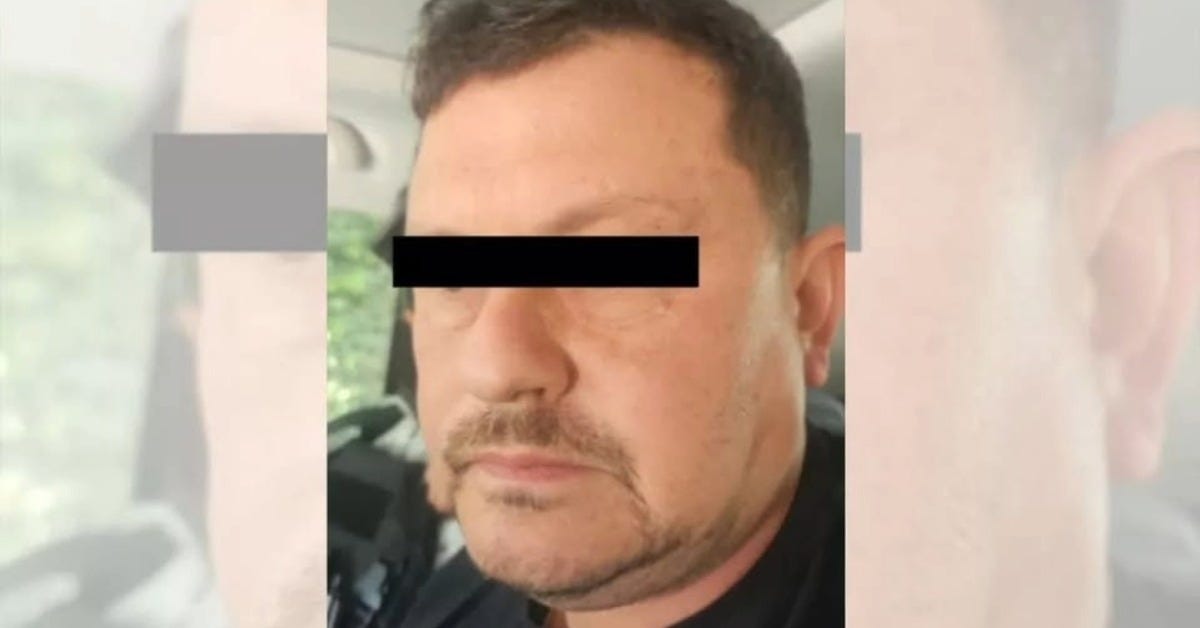
Mexican defense officials say the capture of César Alejandro “N,” known as “El Güero Conta,” exposed part of the financial machinery behind the CJNG. Authorities describe him as a trusted money handler for Audias Flores Silva, “El Jardinero,” and say illicit proceeds were moved into aircraft, boats, ranches, real estate, and front companies. The case offers a closer look at how cartel power is built beyond armed groups and trafficking routes, and why financial arrests matter.
Mexico says CJNG financial operator managed illicit proceeds
Mexican defense officials detailed the operation that led to the arrest of César Alejandro “N,” known as “El Güero Conta,” an alleged financial operator for the Jalisco New Generation Cartel, or CJNG.
Authorities said the arrest took place in Zapopan, Jalisco, on April 27, shortly after the separate detention of Audias Flores Silva, alias “El Jardinero,” in Nayarit. Federal officials described El Jardinero as a regional leader of CJNG. They identified El Güero Conta as one of the people responsible for handling money tied to that criminal structure.
The case matters because it points to a part of cartel power that is often less visible. Armed groups and roadblocks draw public attention. Money movement is harder to see, but it helps criminal networks survive, expand, and recover after arrests.
According to federal authorities, El Güero Conta allegedly managed illicit proceeds from cocaine trafficking, weapons sales, and money laundering. Officials said those funds were used to buy aircraft, boats, ranches, houses, and other properties. They also said money was placed into front companies, including businesses linked to tequila production.
That allegation does not mean the wider tequila industry is involved. It means authorities believe specific companies were used to hide or move criminal proceeds. For readers in Mexico, that distinction matters. Cartels often depend on ordinary-looking businesses to blur the line between legal activity and criminal finance.
What officials say happened in Zapopan
The Defense Ministry said the operation was part of a broader security strategy based on intelligence and coordination among federal agencies. Officials described the arrest as nearly simultaneous with the separate operation against El Jardinero in Nayarit.
The Zapopan operation involved members of the Army, the National Guard, and the Air Force. Federal reports said specialized units used drones and UH-60 helicopters for support. Authorities said El Güero Conta was located after months of intelligence work that began in July 2024.
Officials said the arrest happened at about 2:40 p.m. on April 27. They reported the seizure of a long gun, cartridges, cash, cellphones, and about 1,000 doses of methamphetamine. El Güero Conta was then turned over to federal prosecutors in Guadalajara.
The government also said that a preventive anti-blockade plan was in effect in Jalisco. Officials reported no blockades or major incidents in the state during the arrest. That detail is important because arrests of senior cartel figures can trigger quick retaliatory violence, especially in western Mexico.
The capture occurred as part of a broader federal pushback against CJNG leadership and support networks. El Jardinero’s detention in Nayarit drew broader attention because authorities described him as a high-level regional figure with influence over drug production, routes, and armed cells.
Why the money trail matters
The most important part of the case may not be the arrest itself. It may be what authorities say the arrest reveals about how cartel money is stored, moved, and protected.
Drug trafficking produces cash. That cash is useful only if it can be moved into assets, businesses, or accounts without drawing attention. This is where money laundering becomes central to cartel operations. It can convert illegal proceeds into legitimate-looking properties, vehicles, companies, or investments.
Authorities said El Güero Conta helped move CJNG money into aircraft and boats. Those assets can serve two purposes. They can hold value and support logistics. Federal officials said air and maritime assets were used by the group to move drugs from South America toward the United States.
The alleged use of ranches and properties also fits a known pattern. Real estate can help store wealth. It can also provide safe houses, meeting points, storage sites or rural space for logistics. When criminal groups control land, they can strengthen both their finances and their mobility.
The mention of tequila producers stands out because tequila is one of Mexico’s most recognized legal industries. It also involves land, production chains, transport, export markets, and cash flow. Those are normal parts of a lawful business. They can also be attractive to criminal groups trying to disguise money.
For foreign residents in Mexico, this is one reason cartel finance is not only a security story. It can touch real estate, tourism, local businesses, and consumer-facing industries. The criminal economy often seeks to operate within the legal economy.
The link to El Jardinero
Federal authorities tied El Güero Conta to Audias Flores Silva, known as El Jardinero. El Jardinero was arrested in Nayarit on the same day, in a separate operation led by federal forces.
Officials have described El Jardinero as a CJNG regional leader with a long role in drug trafficking and territorial control. U.S. authorities had also identified him as a significant narcotics trafficker and offered a reward for information leading to his arrest or conviction.
That link helps explain why the financial arrest is important. A regional cartel boss needs more than gunmen. He needs logistics, transport, corrupt contacts, safe properties, front businesses, and trusted people to manage money. Federal officials said El Güero Conta filled that financial role.
Removing a financial operator can disrupt a criminal network in a way different from arresting an armed leader. It can affect payrolls, purchases, bribes, transport, and the ability to replace seized assets. It can also give investigators records, phones, and financial leads that may point to other people or companies.
Still, one arrest does not dismantle a cartel. CJNG has shown the ability to adjust after losses. Its strength comes from cells, routes, money handlers, and business links spread across different regions. The value of this case will depend on what prosecutors can prove and what investigators can trace next.
What this means for readers in Mexico
For residents and visitors, the case is a reminder that cartel activity is not limited to shootouts or drug seizures. Much of the real power sits in the quiet systems behind the violence.
Those systems can include accountants, shell companies, properties, vehicles, and businesses that look legal from the outside. They can also include people who rarely appear in public but help turn crime into assets.
The allegations against El Güero Conta remain allegations unless proven in court. His legal status will depend on the evidence presented by federal prosecutors. But the government’s public explanation shows where security strategy is focused: not only on armed leaders, but also on the money that keeps them operating.
That shift matters in western Mexico, where CJNG has built influence through drug trafficking, extortion, fraud, and money laundering. For communities, the question is not only whether one person was captured. The deeper question is whether authorities can follow the money far enough to weaken the networks behind him.