
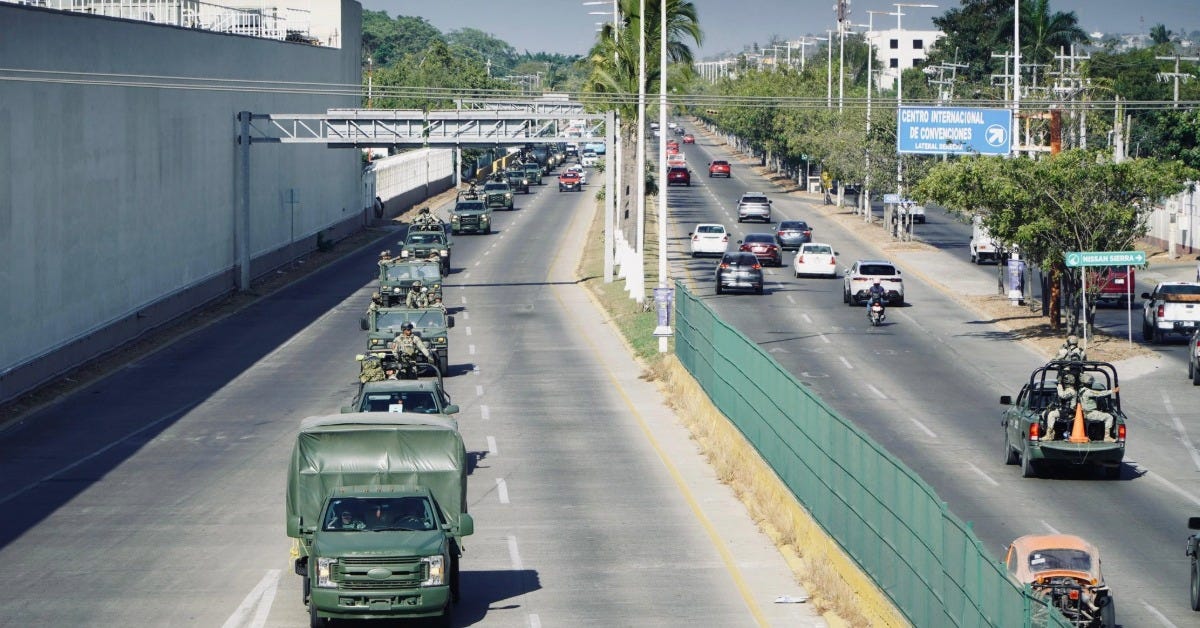
Mexico’s tourism numbers remain strong, but industry analysts are warning that 2026 could test the sector in new ways. Security concerns, higher travel costs, weaker international promotion, and entry barriers for some visitors are all adding pressure ahead of the World Cup, which brings global attention to the country. For travelers, hotels, and tourism towns, the issue is not whether Mexico remains attractive. It is whether the country can protect confidence while competing for visitors in a crowded global market.
Mexico’s tourism strength meets a more complicated 2026
Mexico enters 2026 with strong tourism numbers, but the industry is also watching several risks that could slow momentum. A tourism-sector analysis by the Centro de Investigación Avanzada en Turismo Sostenible (STARC) at Universidad Anáhuac Cancún identified insecurity as one of the main challenges facing the country’s travel industry this year.
The warning does not mean tourism is collapsing. Official data showed Mexico received 16.85 million international visitors during the first two months of 2026. That was a 9.3% increase from the same period last year. International tourism revenue also rose, reaching about $6.7 billion dollars in the same period.
But tourism depends heavily on confidence. A destination can post strong numbers and still face pressure if travelers begin to question safety, costs, or ease of entry. That is the concern behind the new analysis.
Security is both a real issue and a perception issue
The industry’s biggest concern is insecurity, including both crime itself and the way violence affects Mexico’s image abroad. For tourism, perception can move faster than official statistics. A violent incident in one region can shape how travelers view the country as a whole, even when major resort areas remain open and busy.
That creates a difficult problem for Mexico. The country is not one single safety picture. Conditions vary widely by state, city, and neighborhood. Travelers often see Mexico through foreign travel advisories, social media clips, and headlines, rather than through a detailed understanding of local conditions.
U.S. and Canadian travel advisories continue to urge caution in Mexico because of crime and kidnapping risks. Those warnings do not apply equally to every destination, but they carry weight with travelers, families, and travel agents. They also influence how tour operators and airlines assess risk.
For expats living in Mexico, this creates a familiar tension. Daily life in many communities can feel normal, while the country’s image abroad can shift quickly after high-profile violence. Tourism businesses then have to reassure visitors without dismissing legitimate safety concerns.
World Cup attention raises the stakes
The timing matters because Mexico is one of the three host countries for the 2026 FIFA World Cup, along with the United States and Canada. Mexico’s host cities are Mexico City, Guadalajara, and Monterrey. The tournament is expected to bring global attention and additional travel demand.
That attention can help Mexico. It can also magnify problems. Security, airport operations, transportation, hotel pricing, and visitor services will all be watched more closely during the event period.
For the tourism industry, the World Cup is not only about match days. It is also a chance to promote Mexico to travelers who may extend their trips or return later. That opportunity depends on whether visitors feel the experience is organized, safe, and welcoming.
Promotion remains a weak point for the industry
The STARC analysis also points to weak international promotion as a risk. This has been a recurring concern for private-sector tourism leaders since Mexico dissolved its former national tourism promotion council in 2019.
Mexico continues to promote tourism through federal campaigns, trade fairs, state tourism boards, and partnerships. In 2026, tourism officials also announced an airport-based promotion for the Marca México brand in partnership with Visa. The campaign is planned for major airports, including Mexico City, Cancún, Tulum, and Guadalajara.
Even so, industry concerns remain. Competing countries spend heavily to attract travelers. They advertise safety, culture, food, beaches, shopping, and major events. Mexico has many of those advantages, but the private sector argues that the country needs a stronger and more consistent international message.
This matters because travelers have options. Turkey, Italy, Spain, Costa Rica, Colombia, and Caribbean destinations all compete for many of the same visitors. If Mexico relies only on its existing reputation, it risks losing ground in markets where travel decisions are shaped by advertising and online perception.
Visa and entry rules are another pressure point
The analysis also cites visa restrictions and treatment upon entry for some Latin American travelers. Peruvians have needed a visa to enter Mexico for tourism and business since 2024. The rule was introduced as a temporary measure tied to migration concerns.
The issue is not only paperwork. The tourism sector worries that entry barriers can discourage legitimate visitors who may choose easier destinations. That concern is especially important for Latin American markets, where travelers often compare Mexico with countries that have fewer visa hurdles.
Colombian travelers have also been part of a separate concern. Colombia does not require a tourist visa for Mexico, but complaints over denied entry and treatment at Mexican airports have affected confidence. Cancún officials and Colombian representatives have worked on measures to reduce problems at arrival points, including pre-registration efforts.
For Mexico, the challenge is balancing immigration control with tourism service. A visitor who feels mistreated at the airport may not return, even if the destination itself was appealing.
Higher visitor fees add to travel costs
Another concern is the higher cost of entering Mexico. The 2026 federal fee for foreign visitors without permission to work rose to 983 pesos, up from 860 pesos in 2025. That is roughly more than $50 dollars, depending on the exchange rate.
For many air travelers, the fee is included in the ticket price, so it may not be obvious. But it still affects the final cost of travel. It also adds to other expenses, including airport fees, hotel taxes, local visitor charges, and higher prices in major destinations.
One fee alone is unlikely to stop most travelers from visiting Mexico. The larger issue is cumulative cost. Flights, lodging, ground transportation, food, and tours have all become more expensive in many tourism areas.
That matters for middle-income travelers. Mexico remains attractive, but it is no longer automatically seen as a low-cost destination in places like Cancún, Los Cabos, Puerto Vallarta, Tulum, or Mexico City.
The warning is about competitiveness, not panic
The tourism sector warning should be read as a competitiveness alert. Mexico remains one of the world’s most visited countries. Its beaches, cities, food, culture, and proximity to the United States and Canada continue to give it major advantages.
But strong demand does not erase risk. Security perception, weak promotion, entry barriers, and higher visitor costs can slowly affect traveler behavior. They can also shape airline decisions, hotel investment, and tour operator planning.
The clearest message from the analysis is that Mexico cannot treat tourism as automatic. The country has natural advantages, but those advantages need support. Travelers want safety, clarity, fair treatment, and good value. They also want confidence that problems will be handled well when they arise.
For tourism towns, the issue is practical. Fewer visitors can mean fewer restaurant customers, fewer hotel stays, fewer tours, and less seasonal work. For travelers and foreign residents, it means Mexico’s tourism future will likely depend on how well officials and businesses manage safety, service, and trust in a high-profile year.
In Mexico, Security Is Now the Backbone of Economic Policy

Mexico is about to stage the largest test of its public-security narrative in decades: a World Cup with global scrutiny and tight deadlines. Recent events in Jalisco show why the stakes are economic, not only political. A canceled international diving stop, a new national security deployment plan, and a stadium reopening date now interact with airline s…
After El Mencho How Security Shocks Hit Tourism and Trade

Major security operations rarely end when the target is removed. The next few hours will decide whether roads reopen, flights resume, and tourists keep coming. After authorities reported the death of CJNG leader Nemesio Rubén Oseguera Cervantes, cruise itineraries shifted, and airlines adjusted schedules. Those early moves point to a wider pattern. It i…