
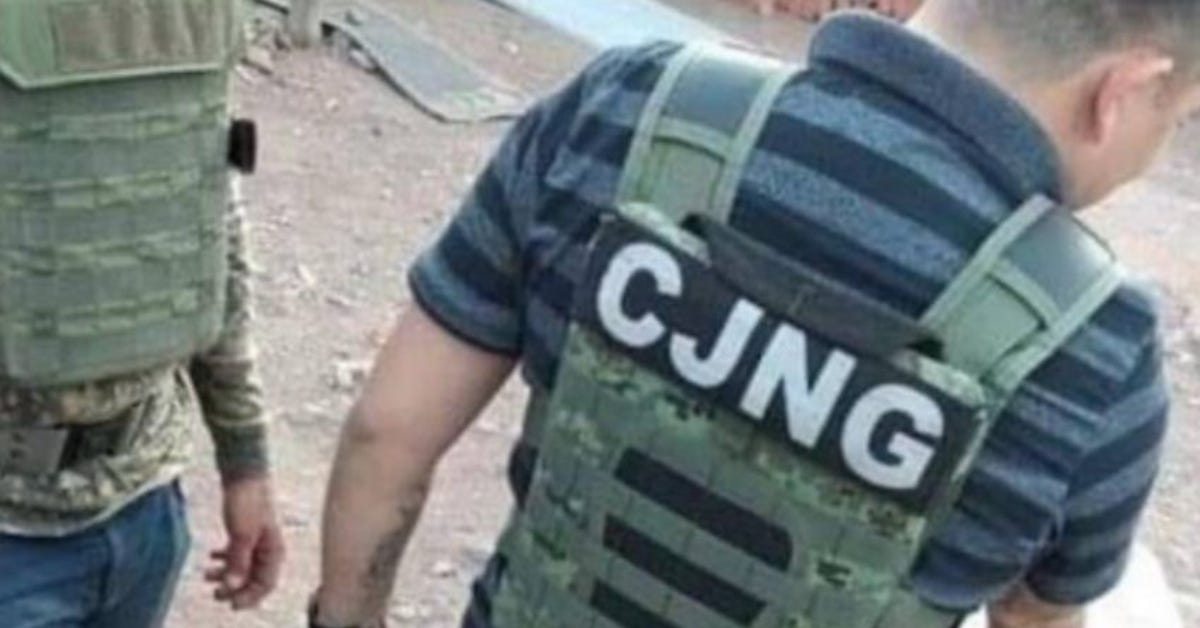
Mexican cartels are no longer only a domestic security problem or a U.S. border problem.
A new International Narcotics Control Board report places Mexico’s largest criminal groups inside a wider map of drug routes, chemical supply chains, and criminal partnerships stretching through Central America, South America, Africa, and Europe.
The findings add weight to a point already driving pressure on Mexico. The country’s cartels have become global logistics networks, not just armed groups fighting for territory at home.
The report puts Mexico inside a wider criminal map
The 2025 INCB report names the Sinaloa Cartel and the Jalisco New Generation Cartel in its section on Honduras, where cocaine moves from South America toward the United States and Europe.
Honduras remains a key transit country. Fast boats are still one of the most common smuggling methods there, while local gangs help move drugs inland. The report says Mexican cartels have operated alongside groups such as MS-13 and Barrio 18, as well as Venezuela’s Tren de Aragua and Colombia’s Clan del Golfo.
The issue drew fresh attention in Mexico after Milenio highlighted the findings, but the deeper point goes beyond a single route or a single country.
Mexican cartels now sell expertise. They move chemicals and broker cocaine through local partners. That makes them harder to weaken through arrests alone.
The cartel business has moved into chemicals
The clearest warning comes from the INCB’s separate 2025 precursor chemicals report, which focuses on substances and equipment used to make synthetic drugs.
That report says Mexican criminal know-how is spreading abroad through methamphetamine production methods. It describes sophisticated labs in other countries as part of “the dark side of knowledge transfer.”
South Africa, Kenya, and other countries appear in the report not as side notes but as evidence of how drug manufacturing knowledge can spread. The same supply-chain problem shows up in fentanyl production, where traffickers seek controlled and non-controlled chemicals before authorities can close the gap.
In one case, authorities blocked shipments of a fentanyl precursor from India to Tanzania. Mexico was among the countries conducting the investigation, with INCB support. The board said the stopped shipments could have produced large quantities of fentanyl.
That case shows where cartel enforcement is moving. The fight is no longer only at ports, highways, and border crossings. It is also in export notices, chemical registries, lab equipment, shell buyers, and international paperwork.
Why Washington is treating cartels differently
The report comes in a year when Mexico is under heavy U.S. pressure over fentanyl, cartel finances, extraditions, and sovereignty.
The U.S. government formally designated several Mexican criminal groups as foreign terrorist organizations in 2025, including the Sinaloa Cartel and CJNG, through a Federal Register notice. The U.S. Drug Enforcement Administration also describes Sinaloa and CJNG as drivers of the synthetic drug crisis and says it is targeting cartel supply chains “at every level.”
That language has changed the political debate.
Mexico’s government has insisted that security cooperation with the United States must respect Mexican sovereignty. President Claudia Sheinbaum has repeatedly pushed back against U.S. claims that Mexico has lost control to cartels, a dispute PVDN covered in Sheinbaum Rejects Trump Claim Cartels Run Mexico.
Central America is more than a corridor
Central America’s role is changing as well.
The INCB report describes Nicaragua as a strategic point for transnational traffickers using Pacific land routes and Caribbean maritime routes. Panama remains one of the major corridors for cocaine headed north and toward Europe, helped by its location and the scale of container traffic through the Panama Canal.
Guatemala also appears in the report because of rising precursor seizures and dismantled synthetic drug labs. Honduras remains central to the cocaine movement, while coca cultivation risks are growing in parts of northern Central America.
Cartel power often grows through partnerships. A Mexican group does not need to control every town, port, warehouse, or lab. It can connect to local networks, share technical knowledge, finance shipments, and collect profits from the route.
The pressure point is no longer just Mexico’s border
The INCB report aligns with the broader picture outlined in the UNODC World Drug Report 2025, which warns that drug markets are adapting rapidly and require stronger international cooperation.
That is the harder problem for Mexico.
A domestic security plan can target killings, extortion, and territorial control inside the country. A transnational drug network needs a different tool kit: chemical tracking, customs intelligence, financial investigations, port security, extradition policy, and coordinated work with countries far beyond the U.S. border.
PVDN has followed this pressure in recent coverage of the U.S. fentanyl strategy and a separate UN report warning that organized crime is challenging Mexico’s state capacity.
The new INCB findings sharpen that picture. Mexican cartels are still rooted in Mexico, but their business model has outgrown Mexico’s borders.