
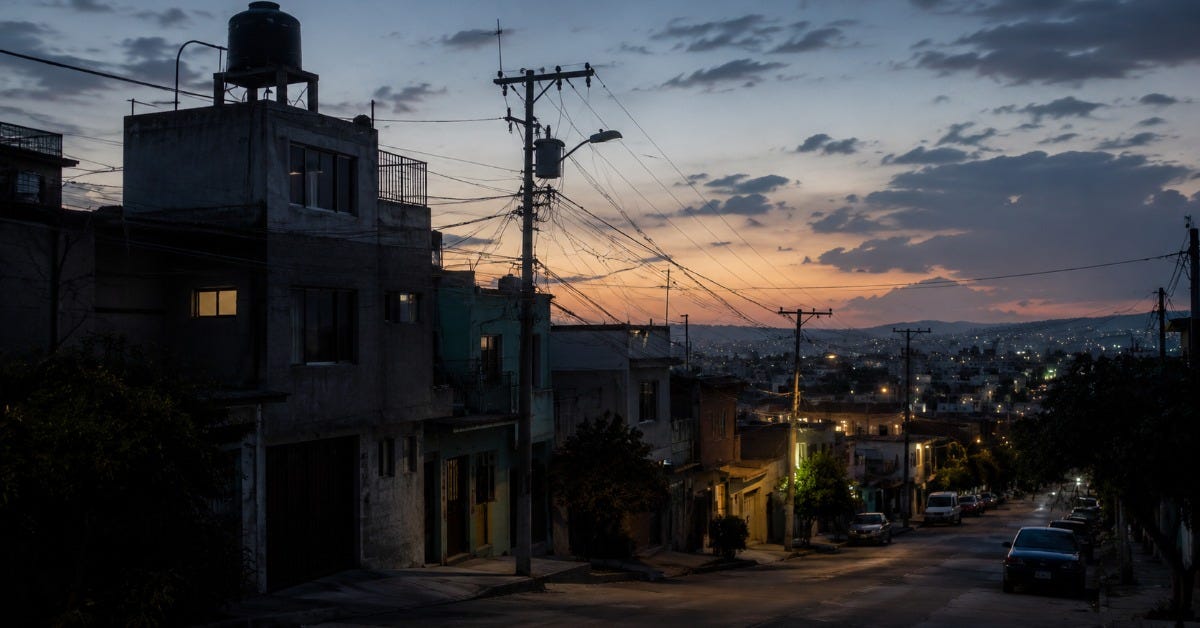
Power cuts and water interruptions in Mexico usually do not stem from a single failure. They come from systems that are being asked to serve more people, more buildings, more businesses, and more extreme weather than they were built to handle.
Mexico has modern airports, hospitals, industrial parks, shopping centers, ports, highways, and telecommunications networks. It also has neighborhoods where water pressure drops, transformers overload, storms knock out electricity, and households depend on storage tanks because public service is not always steady.
That contrast can be confusing. Mexico is not without infrastructure. The problem is that its electricity and water systems are uneven. Some areas receive reliable service most of the time. Others depend on backup tanks, pumps, private wells, water trucks, voltage regulators, generators, or informal workarounds.
The gap is often local. A city may have new development and visible investment while older pipes, substations, pumps, and distribution lines remain under pressure. A neighborhood can look fully urbanized yet still have low water pressure or frequent power outages.
The power grid has less room for stress
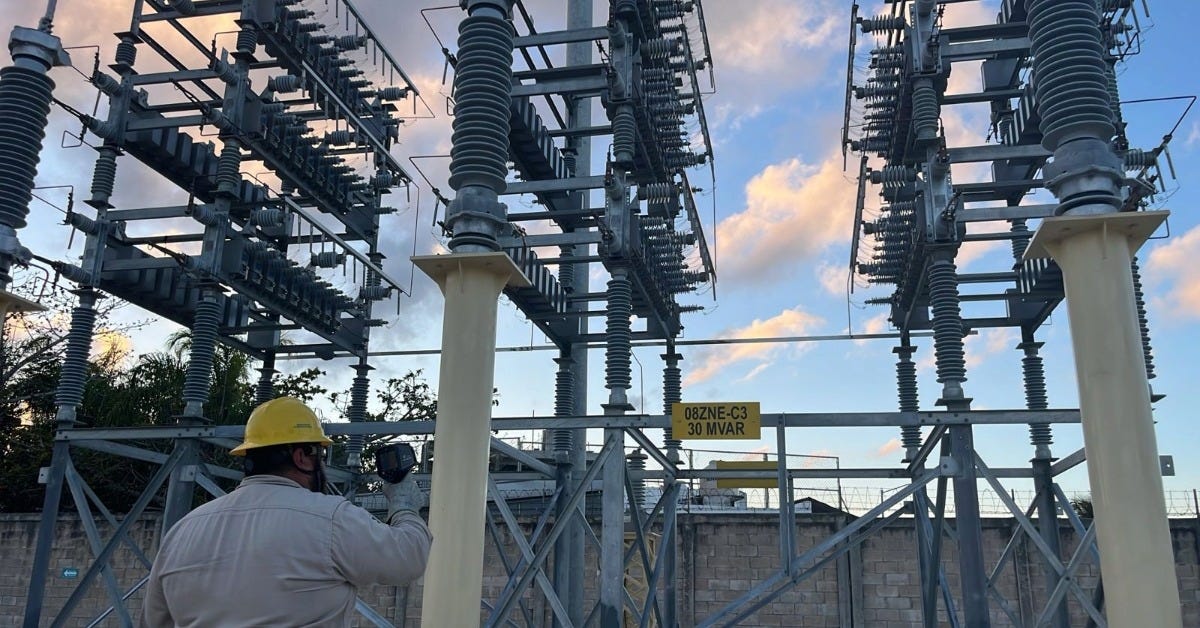
Electricity demand in Mexico has been rising, and peak demand is harder to manage than average demand. The system may function normally on most days, but struggle when millions of homes, businesses, factories, hotels, and stores increase electricity use simultaneously.
Heat is one of the main pressure points. During hot months, electricity use rises sharply in coastal cities, northern states, industrial zones, and dense urban areas. Air conditioning, refrigeration, pumps, elevators, fans, and commercial equipment all add load to the system.
The issue is not only how much electricity Mexico can generate in theory. The grid also needs sufficient available generation at the right time, sufficient transmission capacity to move power across regions, and sufficient distribution infrastructure to handle demand at the local level.
A new power plant does not solve the problem of an overloaded neighborhood transformer. A region with enough total supply can still face local failures if substations, cables, and distribution lines have not kept pace with growth.
Heat waves expose weak points

Heat waves create a chain reaction. Homes use more air conditioning. Businesses use more cooling and refrigeration. Equipment runs hotter. Distribution systems carry heavier loads. If a storm occurs during the same period, the system experiences heat stress and weather damage simultaneously.
The rolling outages reported in May 2024 showed how quickly this can happen. High temperatures pushed demand close to available generation, and outages affected several parts of the country. Those events did not mean Mexico’s entire grid had collapsed. They showed that the grid had little room for error during a heat-driven spike.
Drought can also affect electricity. Hydroelectric generation depends on water stored in dams. When reservoirs are low, hydro plants may have less ability to contribute during peak periods. Solar power helps during daylight hours, but evening demand can remain high after solar output drops.
That creates pressure during the hours when families return home, lights come on, businesses remain open, and air conditioning is still running.
Growth can move faster than infrastructure
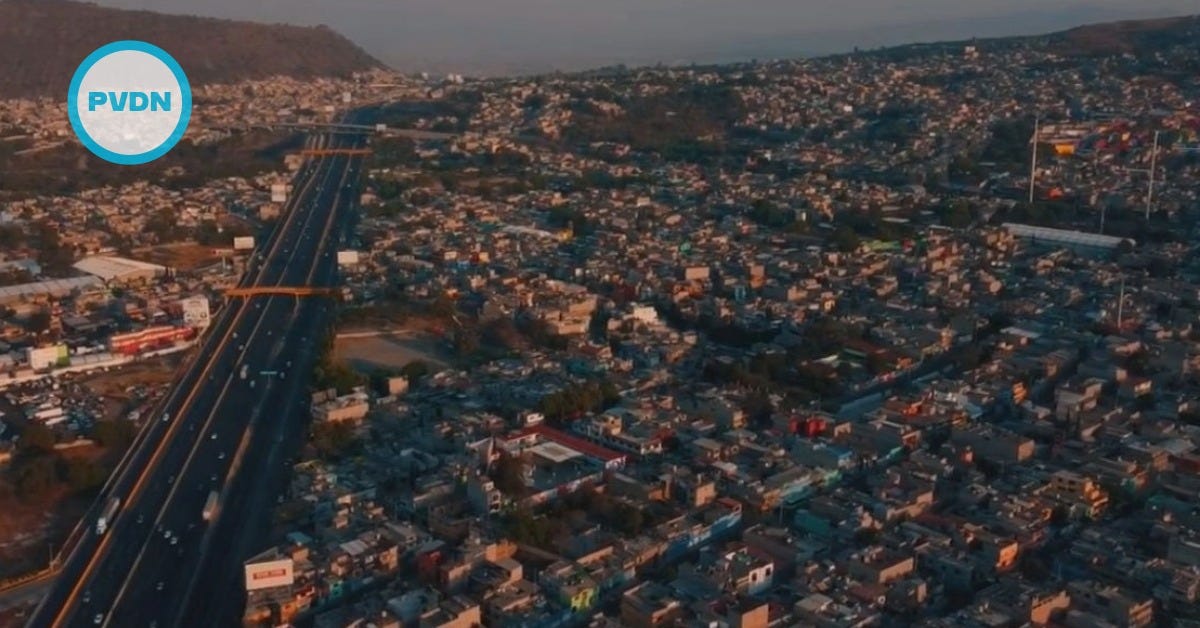
Mexico’s fast-growing cities face another problem: construction can outpace utility upgrades.
New housing developments, apartment towers, shopping plazas, industrial parks, hotels, restaurants, warehouses, and office buildings all add demand. Each project may appear manageable on its own. The combined effect can strain infrastructure designed for a smaller population or a different land-use pattern.
A neighborhood once built for low-rise homes may later be expected to serve apartments, elevators, pumps, cooling systems, restaurants, clinics, schools, and short-term rentals. In some cases, the local network was never rebuilt for that level of demand.
The same issue applies to water. New buildings need higher water pressure, greater storage, increased pumping capacity, and greater wastewater capacity. If the public network is old or already stretched, residents may see weak pressure, scheduled cuts, or repeated repairs.
This is why two neighborhoods in the same city can have very different experiences. One area may have newer underground utilities, good pressure, and stable service. Another may rely on older lines, overloaded equipment, or a water network that loses pressure during peak use.
Water access does not always mean daily water
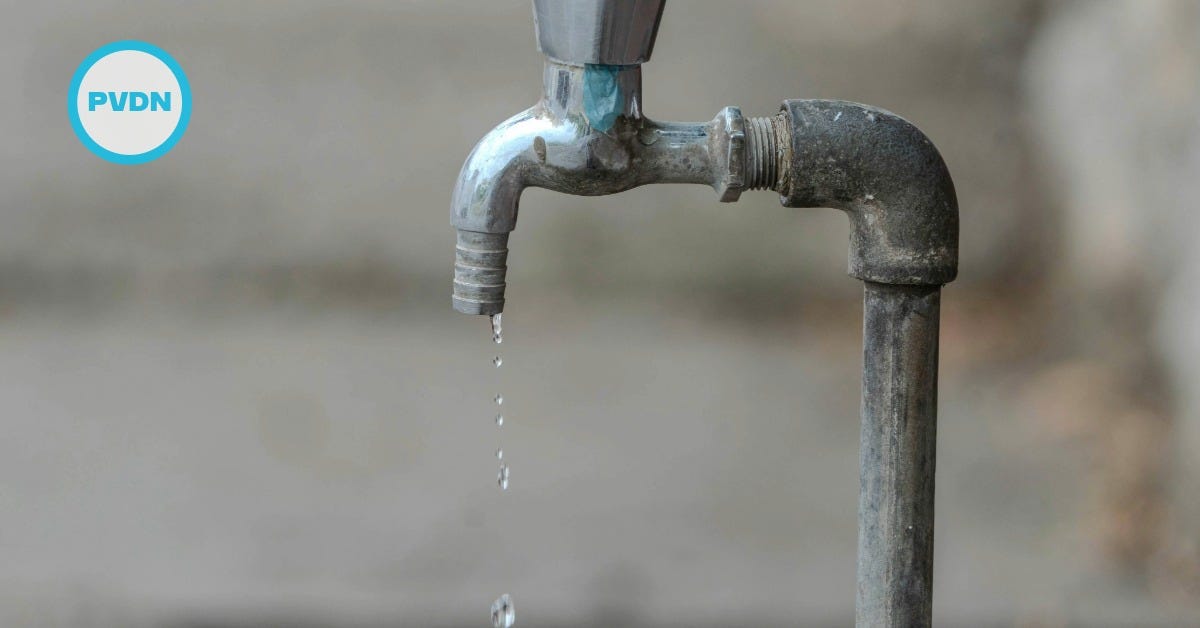
Mexico has made major progress in connecting homes to piped water, but connection is not the same as continuous service. Many households have a pipe, a meter, and a bill, yet still receive water only during certain hours or certain days.
A national study based on 2022 survey data found that only 31.5% of Mexican households received water seven days a week, 24 hours a day, during the previous four weeks. When the study also considered whether households had gone without water during the driest period of the year, only 17.4% had no reported interruption or scarcity over the year.
That helps explain why roof tanks, cisterns, pumps, and stored water are common in Mexico. They are often part of how homes are expected to function.
A house may have water service, but the public line may fill the cistern at night or during a limited window in the morning. The household pump then moves that water to a rooftop tank, which supplies the home by gravity or a pressure system. When the public supply is interrupted longer than usual, the storage can run out.
This is not limited to rural areas or low-income neighborhoods. Intermittent water service can affect large cities, middle-class subdivisions, tourist zones, older urban neighborhoods, and hillside communities.
Drought makes weak systems worse
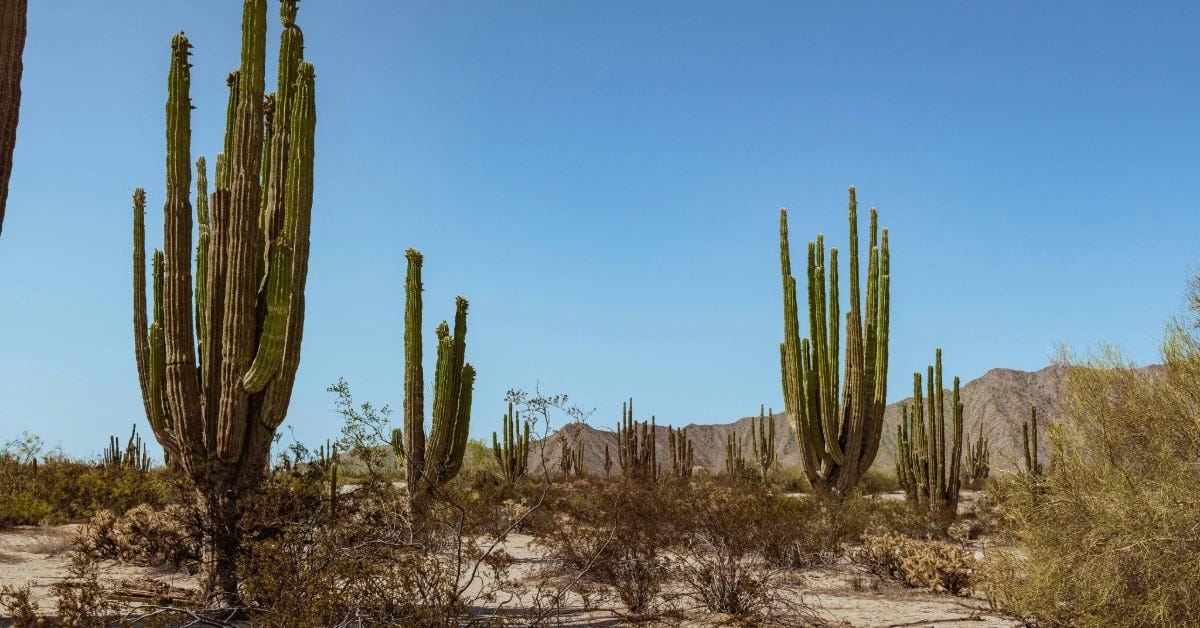
Mexico’s water problem is not just rainfall. The country has regions with heavy rain, regions with dry climates, and cities that depend on water brought from outside their immediate area. The problem is storage, geography, pumping, leakage, overuse, and timing.
The rainy season can refill reservoirs, but it does not automatically repair distribution networks. A strong storm can fill rivers and still leave a neighborhood without water if pumps fail, lines break, pressure drops, or treatment systems cannot keep up.
Heavy rain can also create new problems. Flooding can damage roads, contaminate water sources, affect pumping stations, and interrupt electricity needed to move water through the system.
Drought puts the system under stress from the opposite direction. Reservoirs fall. Wells may have to pump deeper. Aquifers recover slowly. Cities may reduce pressure or rotate service to stretch supply. In some areas, water trucks become part of the backup system.
Large urban systems have shown how visible these pressures can become. When reservoir levels drop, cities may face restrictions, pressure reductions, or public warnings. When rain returns, the immediate pressure may ease, but the deeper problem remains if the network is leaking, overdrawn, or poorly maintained.
Leaks waste water before it reaches homes
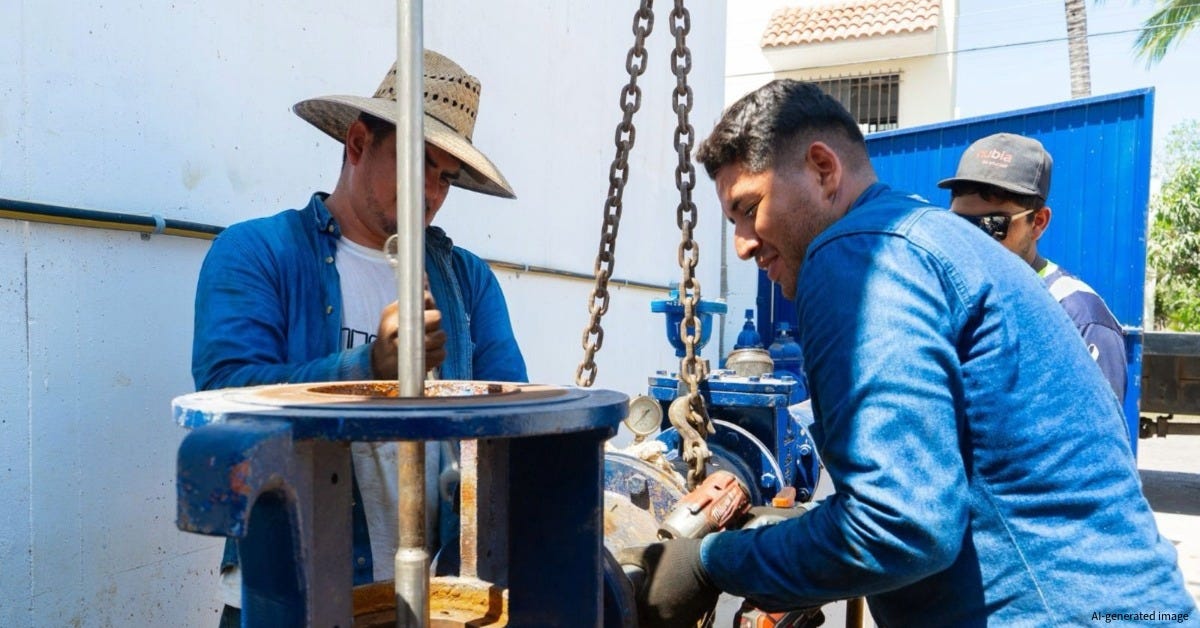
One of the least visible problems is water loss. In many cities, a large share of treated water never reaches the customer because it leaks from old pipes, illegal connections, failing valves, or poorly monitored systems.
This matters because cities often respond to shortages by seeking additional water. They drill deeper wells, negotiate new sources, build aqueducts, or truck water into neighborhoods. Those steps may be necessary in some places, but they do not solve the waste inside the network.
A leaking system also creates pressure problems. If operators raise pressure to push water farther, weak pipes may break. If they lower the pressure to reduce losses, homes at higher elevations or at the end of the line may receive little or no water.
In hilly cities, pressure can vary sharply by elevation. A home near the lower part of a neighborhood and a home up the hill may not experience the same service even when both are connected to the same provider.
Water service depends heavily on local management
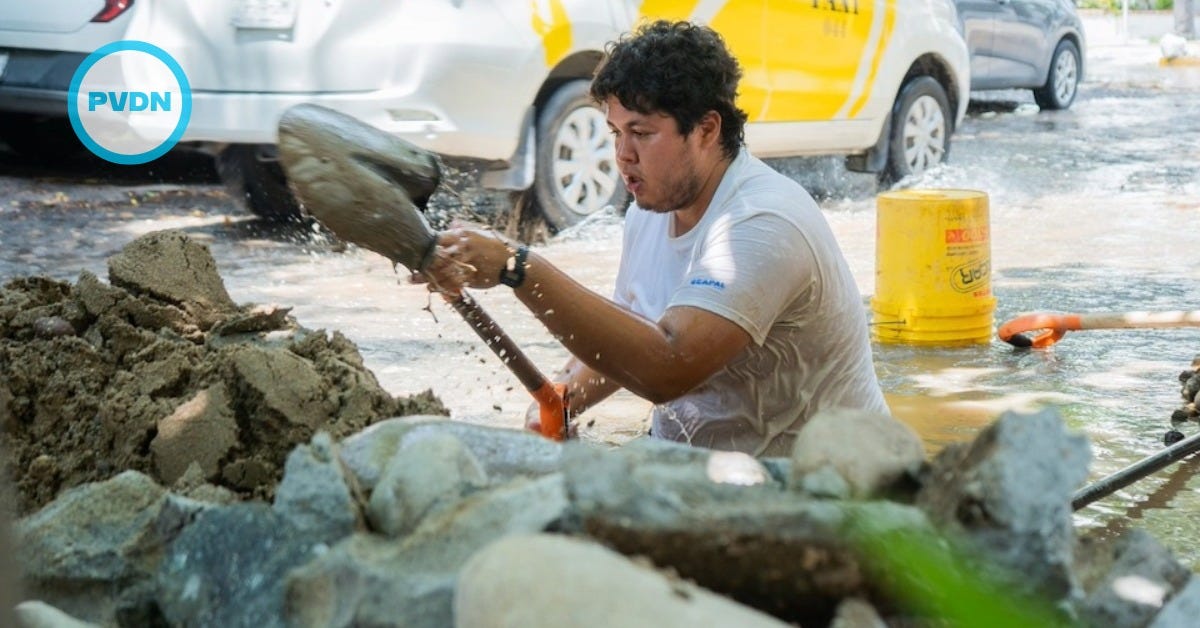
Electricity in Mexico is largely tied to national planning and the state utility system. Water is different. Water service is often managed locally by municipal or regional operators, and performance varies widely.
Some operators have better finances, billing systems, maintenance crews, equipment, and long-term planning. Others struggle with low collection rates, political pressure over tariffs, aging equipment, limited staff, and emergency repairs that consume money before preventive work can be done.
This structure makes water service uneven. National policy can set broad goals, but the water that reaches a home depends on local pipes, pumps, valves, staff, budgets, and repair schedules.
Local politics can also affect service. Raising water rates is unpopular, even when systems need investment. Deferring maintenance is easier in the short term, but it usually leads to more leaks, more outages, and more expensive repairs later.
Storms can interrupt both systems at once
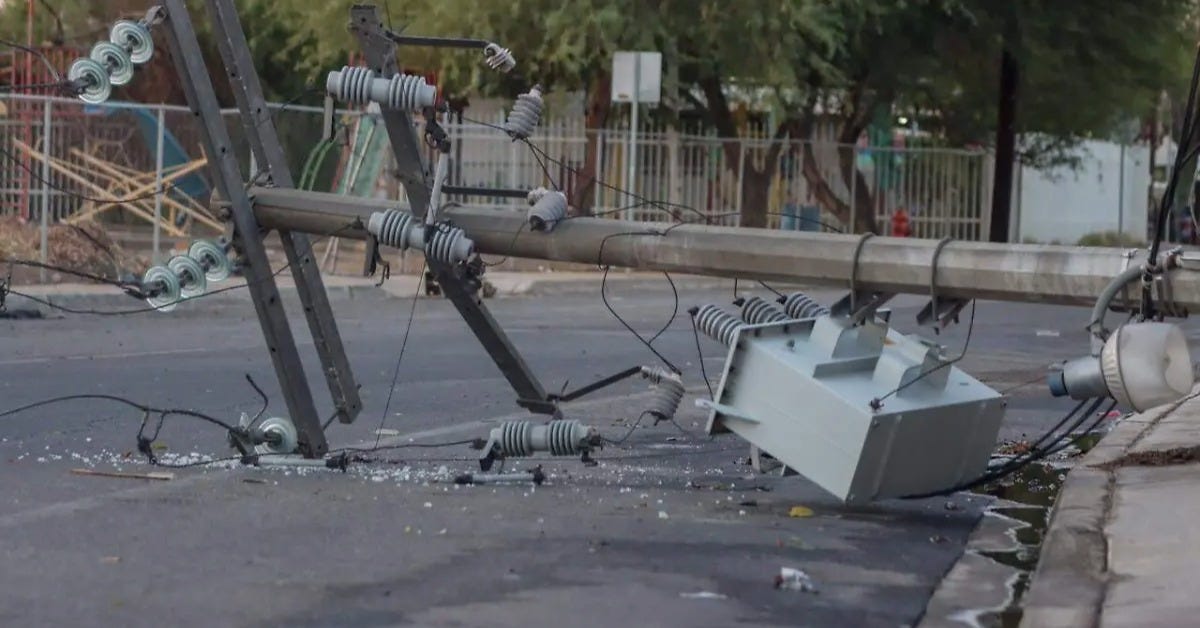
Power and water failures are often connected. Water systems need electricity to pump, treat, and distribute water. If the power goes out, pumps may stop. If pumps stop, water pressure can fall. If the pressure falls long enough, homes without sufficient stored water may run dry.
Storms can also damage both networks simultaneously. High winds can bring down power lines. Flooding can damage electrical equipment. Landslides can break water pipes. Debris can affect intakes and treatment systems. Repair crews may not be able to reach damaged areas quickly if roads are blocked.
This is why some outages cascade. A neighborhood may first lose power, then lose water pressure, then face delays because pumps, traffic lights, communication systems, and repair crews are all affected by the same event.
In coastal areas, mountain communities, flood-prone neighborhoods, and older urban zones, the connection between electricity and water can be especially visible during storm season.
Household backup systems are part of daily life
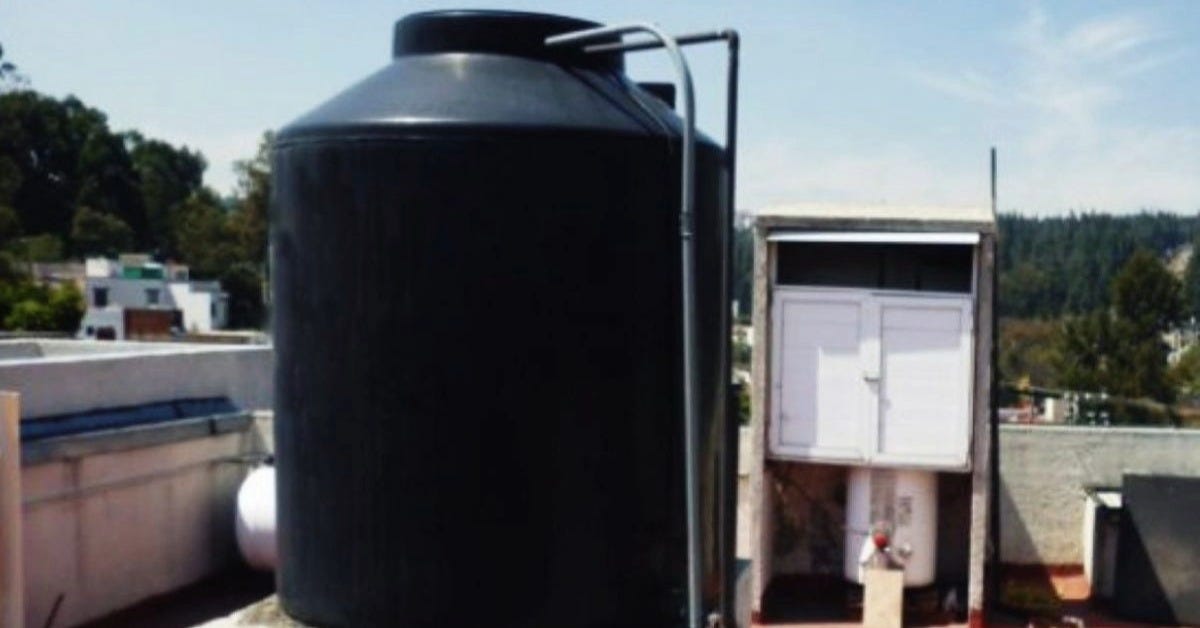
Because public service can be uneven, many households in Mexico rely on backup systems. These may include a cistern, rooftop tank, pump, pressure system, water filter, voltage regulator, surge protector, battery backup, generator, or stored drinking water.
These systems are not always signs of a failing property. In many parts of the country, they are part of normal home design. A building with good storage and a working pump may handle water interruptions with little disruption. A home without storage may feel every outage immediately.
The same applies to electricity. A surge protector or voltage regulator can help protect appliances in areas with unstable voltage. A generator or battery system can keep basic equipment running during longer outages. In apartment buildings, backup systems may support elevators, water pumps, gates, lighting, or security equipment.
The burden falls unevenly. Households with money can install better storage, pumps, filters, and backup power. Households without those resources are more exposed when public systems fail.
The problem is capacity, maintenance, and uneven investment
Mexico’s electricity and water problems are not best understood as a complete lack of modern services. They are better understood as uneven systems under pressure.
Demand has grown. The weather is more extreme. Cities have expanded. Tourist areas have grown upward. Industrial activity has increased in some regions. Water sources are under stress. Pipes, pumps, transformers, substations, and distribution lines need constant investment.
For residents, the result is practical rather than theoretical. Lights may flicker during a storm. A transformer may fail on a hot night. Water may arrive at low pressure. A neighborhood may depend on a scheduled supply. A building may need storage and pumps to function normally.
The experience varies by state, city, neighborhood, building, and season. Some people rarely think about utilities. Others plan their daily routines around water schedules, pump failures, outages, or repairs.
That unevenness is one of the clearest features of Mexico’s infrastructure problem. The country can have modern development and unreliable service at the same time because visible growth and the underlying networks do not always advance together.